Gold Prospecting Starts With Accurate Gold Ore Identification Skills
Gold prospecting is a rewarding pursuit, but its success hinges on one essential skill accurate gold ore identification. Whether you are an experienced prospector or a beginner excited by the lure of hidden treasure, your ability to recognize gold-bearing rock is what sets you apart. Identifying gold ore isn’t just about spotting shiny flecks in a rock; it is about knowing the mineral indicators, geological settings, and physical characteristics that point to the presence of gold. Accurate identification helps avoid wasted effort and directs your energy toward promising locations, making the process more productive and satisfying. The first step in identifying gold ore understands where gold is likely to be found. Gold is commonly associated with quartz veins, especially in areas with a history of volcanic activity or hydrothermal processes. When examining rocks in these regions, look for quartz that contains visible sulfide minerals such as pyrite, also known as fool’s gold. While pyrite itself isn’t valuable, its presence can indicate nearby gold deposits. Gold ore may also show signs of oxidation, where iron minerals have weathered to a rusty red or yellow color, suggesting mineralized zones rich in gold.
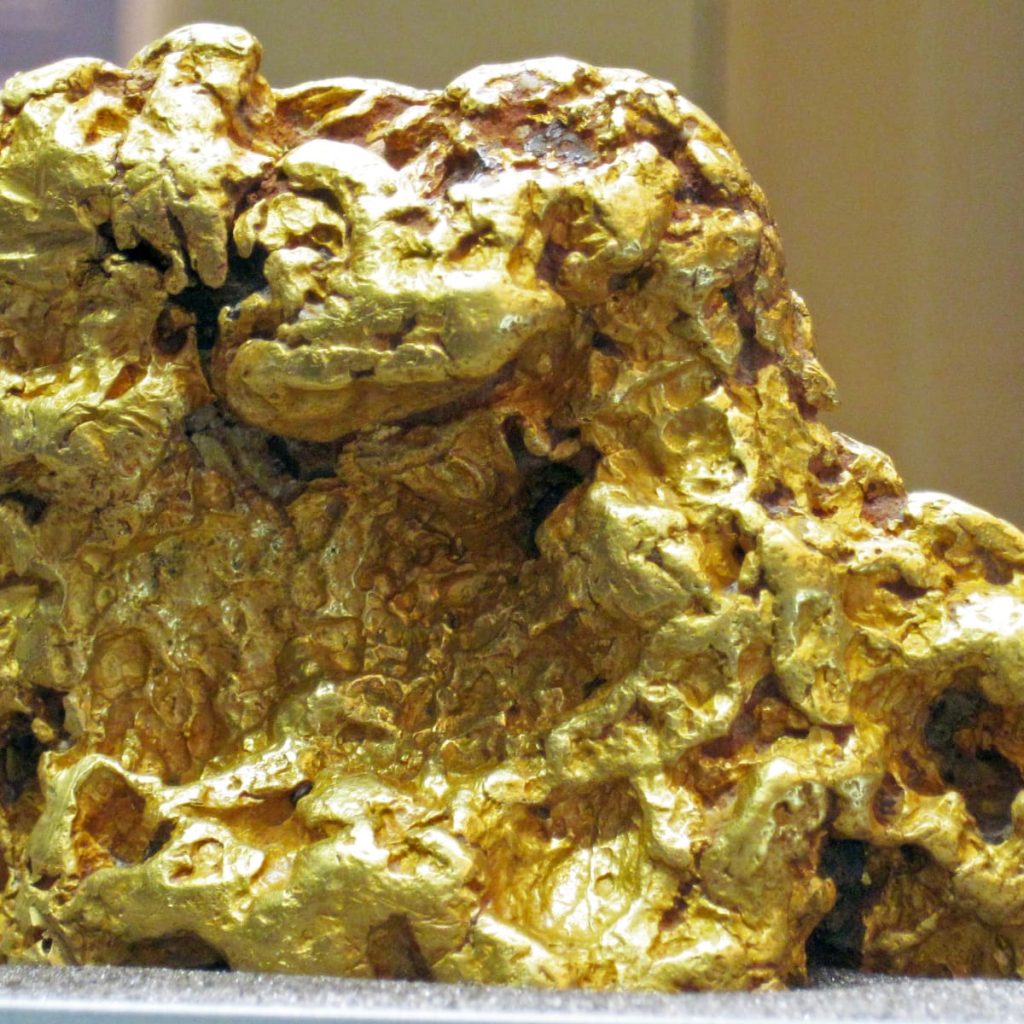
Understanding how to identify gold ore involves using practical field tests and keen observation techniques. Using a hand lens, you can inspect rock samples closely for small flakes or specks of gold, which typically appear bright, soft, and malleable. Unlike pyrite, which shatters under pressure, gold can be flattened or smeared with a simple scratch test using a knife or coin. Gold is also heavy for its size, so panning river sediments to isolate dense materials like black sand can help separate out any gold particles. When a golden glint remains in the pan after lighter materials wash away, it is a strong sign you have found something worthwhile. Experienced prospectors often learn to read the land, interpreting rock formations, soil colors, and erosion patterns to predict where gold might accumulate. They understand the importance of trace minerals and alteration halos zones of rock that have changed chemically due to the presence of gold-bearing fluids. These natural signs provide vital clues and increase the chance of striking gold. Patience and observation become powerful tools when paired with practical knowledge.
Accurate gold ore identification also reduces environmental impact. By targeting specific areas with higher probability, prospectors can avoid unnecessary digging and disruption. This mindful approach supports responsible gold hunting and preserves natural landscapes. Moreover, proper identification skills can lead to more efficient use of tools and resources, from hand pans to metal detectors, ensuring that each expedition is focused and effective. Utilizing reliable, eco-conscious equipment from JXSC further supports sustainable prospecting by enhancing precision while minimizing environmental disturbance. In conclusion, the journey of gold prospecting begins with the eye of a trained observer. Mastering the skill of gold ore identification takes time, experience, and continuous learning, but the rewards are significant. By sharpening your ability to detect genuine gold-bearing materials, you enhance both your chances of success and the enjoyment of the search. With each rock examined and each landscape studied, you take another step closer to discovering nature’s hidden treasures.